The short version
- A combi suits most flats and homes with one bathroom, as long as the mains water flow is decent.
- A system boiler with a cylinder suits homes where 2 or more showers or baths run at the same time.
- A regular boiler suits homes that keep loft tanks, often because the pipework or radiators are older.
- Changing type is possible but adds time and work, so only do it if it solves a real problem.
- Whichever type you choose, the survey should check mains flow, gas supply and flue position first.
The short answer
If you live in a flat or a house with one bathroom, a combi is usually the right choice. It heats water straight from the mains when you turn on a tap, so there is no cylinder and no loft tanks. If your home has 2 or more bathrooms that are often in use at the same time, a system boiler with a hot water cylinder usually works better. A regular boiler (also called heat only or conventional) makes sense where you want to keep the tanks in the loft, or where the old pipework wouldn’t cope with being run at mains pressure.
The type you have now is a good starting point, not a rule. Most people replace like for like because it is quicker and simpler. Some switch because the way they live has changed. The rest of this guide explains how to tell which group you’re in.
How each type works
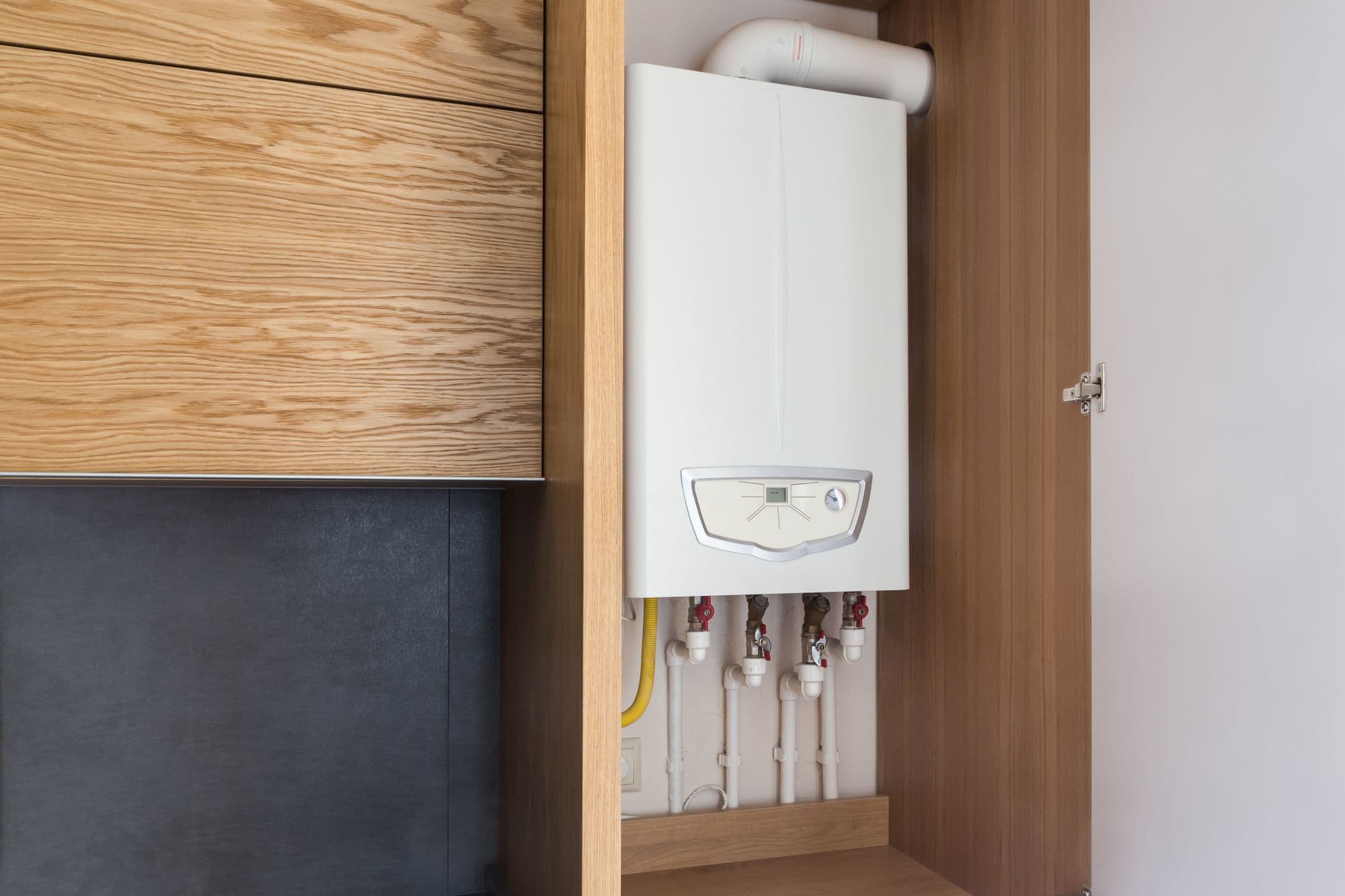
- Combi boiler: one box on the wall does both jobs. It runs the radiators, and when you open a hot tap it switches over and heats mains water on its way through. Nothing is stored.
- System boiler: heats the radiators and a hot water cylinder, usually in an airing cupboard. The pump and expansion vessel are built into the boiler. The cylinder is often unvented, which means it runs at mains pressure.
- Regular boiler: heats the radiators and a cylinder, but is fed by a cold water tank and a small feed and expansion tank in the loft. Hot water pressure comes from gravity, so it depends on how high the tank sits above your taps.
You can usually tell which you have by looking. No cylinder anywhere in the house means a combi. A cylinder but no tanks in the loft usually means a system boiler. A cylinder plus tanks in the loft means a regular boiler.
Combi boilers: simple, compact, one outlet at a time
Combis are the most common boiler in Croydon’s flats and terraces, and for good reason. They take up little space, there is no cylinder to heat in advance, and with decent mains flow the showers are strong. A like-for-like combi swap is also the simplest installation there is. See combi boiler installation for how we approach one.
The limit is that a combi can only deliver as much hot water as the cold mains brings into the house. Run a shower and a hot tap together and both slow down. In a one-bathroom home that rarely matters. In a busy home with an en-suite it might, and a bigger combi only helps if the mains flow can feed it. There is also no backup: if the boiler is off, so is your hot water.
Not sure which type you need?Two minutes, no obligation, a Gas Safe engineer replies.
Start my quoteSystem boilers: for homes that use a lot of hot water at once
A system boiler heats a store of hot water in a cylinder, so several taps and showers can draw from it at the same time without the flow collapsing. That is why it suits larger homes with 2 or more bathrooms. Many cylinders also have an electric immersion heater, which gives you hot water if the boiler is ever out of action.
The cost is space and planning. The cylinder needs a cupboard, and once the stored water is used it takes time to heat up again. An unvented cylinder must be installed by someone with an unvented hot water qualification (G3) and checked regularly. Read more on system boiler installation and hot water cylinder replacement.
Regular boilers: keeping the tanks
A regular boiler is the traditional setup in many older Croydon houses. If you already have one and it works for you, replacing it with a new regular boiler is often the most sensible choice. The pipework, radiators and cylinder stay as they are, and nothing has to cope with higher pressure than it was built for.
It also suits homes with weak mains flow, where a combi would give poor showers, and homes that use a lot of hot water but don’t want an unvented cylinder. The downsides are the loft space the tanks take up and gravity-fed pressure, which can be low on upper floors unless there is a pump. See regular boiler installation.
Changing from one type to another
The most common change is from a regular or system boiler to a combi, to free up the airing cupboard and the loft. It is a bigger job than a straight swap. The cylinder and tanks come out, the pipework is altered, and the heating system is sealed and pressurised. Older radiators, valves and joints that were fine on a low-pressure system can start to weep once pressurised, so a good installer checks them first and tells you if any need replacing.
Going the other way, from a combi to a system boiler, usually happens after an extension or a second bathroom. That needs room for a cylinder and new pipework to it. Either way, a change of type usually adds a day or two to the job. Our pages on boiler conversions and system to combi conversion cover the detail.
How to decide
| Your home | Usually suits | Check first |
|---|---|---|
| Flat or 1 to 2 bed house, 1 bathroom | Combi | Mains water flow and the flue position |
| 3 bed house, 1 bathroom | Combi | Mains flow, gas pipe size |
| 3 to 4 bed with an en-suite | Larger combi or system boiler | Whether 2 showers often run together |
| 2 or more bathrooms in use at once | System boiler and cylinder | Space for the cylinder |
| Older system with loft tanks, weak mains | Regular boiler | Condition of the cylinder and tanks |
Think about the busiest 30 minutes of your day, not an average one. If everyone showers at once, that decides it. If you are not sure, tell us about your home in the quote form and an engineer will recommend a type and explain why.
It also helps to think ahead. If you are planning an en-suite, a loft conversion or an extension in the next few years, mention it now. A boiler chosen for the home you will have is better value than one that suits today and struggles after the building work.